
Toyota vehicles are often considered by used-car buyers looking for practicality, reliability, and a wide choice of body styles. However, the right used Toyota depends on how you plan to use it, your budget, passenger and cargo needs, and the vehicle’s maintenance history.
Rather than choosing a vehicle based on brand reputation alone, compare specific model years, available features, service records, and condition before buying. A well-maintained vehicle with a documented history can be a better choice than a newer example that has been neglected.
This guide covers several used Toyota models worth considering for different needs, including commuting, family travel, cargo space, and fuel efficiency. Model years below are examples of generations to research, not a guarantee that every vehicle from those years is trouble-free.
1. Toyota Camry: A Practical Used Sedan
Model years to consider: 2018–2024
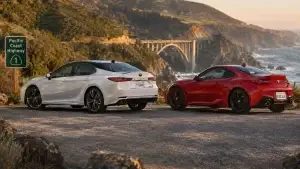
The Toyota Camry is worth considering for drivers who want a midsize sedan for commuting, everyday errands, and longer journeys. It offers a conventional sedan layout with a separate trunk and seating for passengers in two rows.
The 2018 model introduced a new generation, while later examples may offer different infotainment, safety, and convenience features depending on trim and year. Hybrid versions are also available in selected model years for buyers who prioritize fuel economy.
What to check before buying
- Review service records for regular oil changes and scheduled maintenance.
- Test the transmission and engine under normal driving conditions.
- Check the brakes, tires, suspension, and air-conditioning system.
- Confirm which safety features are included on the specific trim.
- Compare the asking price with vehicles of similar mileage and condition.
The Camry may suit commuters and small families who do not need the higher seating position or cargo flexibility of an SUV.
For more information about Toyota’s driver-assistance technology, see our guide to Toyota Safety Sense.
2. Toyota Corolla: A Commuter-Friendly Compact Car
Model years to consider: 2019–2024
The Toyota Corolla is a compact car that may appeal to first-time buyers, students, commuters, and drivers who want a manageable vehicle for everyday use. Its smaller footprint can make parking and driving through busy streets easier than in a larger sedan or SUV.
The 2019 model year marked the introduction of a newer Corolla generation in the United States. Equipment, engine options, technology, and safety features vary by model year and trim, so buyers should compare individual vehicles rather than assuming all Corollas are identical.
What to check before buying
- Examine maintenance records and any available repair invoices.
- Check the condition of the tires, brakes, battery, and suspension.
- Test all dashboard controls, air conditioning, cameras, and infotainment functions.
- Check for accident damage, previous repairs, and inconsistent mileage records.
- Compare the fuel economy and equipment of gasoline and hybrid versions where available.
A Corolla can be a sensible option for drivers who value everyday practicality over a large cabin or substantial cargo capacity.
3. Toyota RAV4: A Versatile Compact SUV
Model years to consider: 2019–2024
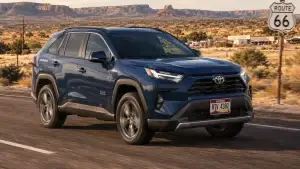
The Toyota RAV4 is a compact SUV for buyers who want a higher seating position and a flexible cargo area. It can suit couples, small families, and drivers who regularly carry luggage, shopping, sports equipment, or outdoor gear.
The 2019 model introduced the fifth-generation RAV4. Depending on the year and trim, used buyers may find gasoline, hybrid, or plug-in hybrid versions. These powertrains differ in purchase price, fuel use, equipment, and maintenance requirements.
What to check before buying
- Inspect the engine, transmission, suspension, and underbody.
- Check the cargo area for signs of water intrusion or damage.
- Test the all-wheel-drive system if the vehicle is equipped with one.
- Review the service history and confirm that applicable recalls have been addressed.
- For hybrid and plug-in hybrid models, arrange an appropriate inspection of the hybrid system and battery.
The RAV4 may be a good fit for drivers who need more cargo flexibility than a sedan provides but do not require a three-row SUV.
4. Toyota Highlander: A Three-Row Family SUV
Model years to consider: 2020–2024
The Toyota Highlander is designed for buyers who need a larger SUV with three rows of seating. It may suit families who regularly transport several passengers or need extra room for road trips and everyday activities.
The 2020 model introduced the fourth-generation Highlander. Gasoline and hybrid powertrains are available in relevant model years, but availability and features depend on the vehicle’s configuration.
Before purchasing, remember that third-row space and luggage capacity are not the same in every three-row SUV. Check whether the Highlander can accommodate your passengers and their belongings at the same time.
What to check before buying
- Fold and raise the second- and third-row seats to test their operation.
- Inspect seat belts, child-seat attachment points, and rear climate controls.
- Check the suspension, brakes, tires, and all electronic equipment.
- Review maintenance records and investigate any warning lights.
- Compare gasoline and hybrid versions based on purchase price and your expected driving.
The Highlander is worth comparing if passenger capacity matters more than the smaller dimensions of a compact SUV.
5. Toyota Tacoma: A Used Pickup for Work and Recreation
Model years to consider: 2016–2023
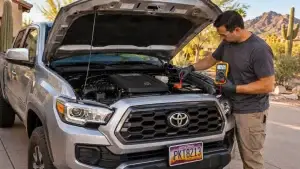
The Toyota Tacoma is a midsize pickup that may suit buyers who need a truck for equipment, outdoor activities, or occasional towing within the vehicle’s rated limits.
The 2016 model introduced the third-generation Tacoma, which continued through 2023. The next generation arrived for the 2024 model year. Cab configuration, bed length, drivetrain, engine, and towing equipment can differ considerably between individual trucks.
What to check before buying
- Inspect the frame and underbody carefully for rust or structural damage.
- Check for previous collision repairs and signs of hard off-road use.
- Examine the suspension, steering, tires, and underbody components.
- Test the four-wheel-drive system if fitted.
- Verify the exact towing rating and payload limits for the specific truck.
A Tacoma may be worth considering for buyers who need pickup functionality, but the right choice depends on the work involved, the truck’s condition, and its configuration.
6. Toyota Prius: A Used Hybrid for Fuel-Conscious Drivers
Model years to consider: 2016–2024
The Toyota Prius is a hybrid hatchback aimed at drivers who want to reduce gasoline use during everyday driving. Its hybrid powertrain combines a gasoline engine with electric-motor assistance, and the vehicle manages the transition between operating modes automatically.
The 2016 model introduced the fourth-generation Prius, while the fifth generation arrived for the 2023 model year. Styling, technology, performance, and fuel economy vary by generation and trim.
Hybrid fuel savings depend on driving conditions, local fuel prices, annual mileage, and the purchase price of the vehicle. Buyers should compare the total cost of ownership rather than looking at fuel economy alone.
What to check before buying
- Request an inspection by a technician familiar with Toyota hybrid systems.
- Review available hybrid battery health information and relevant diagnostic results.
- Check the gasoline engine, cooling systems, brakes, and tires.
- Confirm that scheduled maintenance has been completed.
- Compare the vehicle’s condition, mileage, and price with other used hybrids.
For additional background on hybrid technology, read our article on the Toyota Hybrid Revolution.
Drivers comparing hybrid options can also read about Toyota’s commitment to sustainability.
How to Choose the Right Used Toyota for Your Needs
Before selecting a model, identify what matters most in your daily driving. A compact sedan may be suitable for commuting, while an SUV or pickup may be more appropriate when passenger space, cargo capacity, or specific work requirements take priority.
Use the following comparisons as a starting point:
| Your main requirement | Model to research | Important consideration |
|---|---|---|
| Everyday commuting | Corolla | Running costs and maintenance history |
| Comfortable midsize sedan | Camry | Condition, trim, and service records |
| Flexible cargo space | RAV4 | Cargo requirements and powertrain |
| Three rows of seating | Highlander | Passenger comfort and luggage space |
| Pickup capability | Tacoma | Frame condition, payload, and towing rating |
| Hybrid fuel economy | Prius | Battery condition and total ownership cost |
These are starting points rather than definitive rankings. The best choice depends on the individual vehicle and your circumstances.
Used Toyota Buying Checklist
Before making an offer, take these steps:
- Check the vehicle history. Review available ownership, accident, title, and maintenance records.
- Arrange an independent inspection. A qualified mechanic can identify problems that may not be obvious during a short test drive.
- Check recalls. Use the official vehicle identification number (VIN) lookup and confirm that applicable recall repairs have been completed.
- Take a proper test drive. Listen for unusual noises, check braking and steering, and test the vehicle in conditions similar to your regular driving.
- Compare total costs. Consider insurance, fuel, maintenance, taxes, and likely repairs, not only the purchase price.
- Verify the model year and equipment. Features and specifications can vary by trim, powertrain, and market.
- Review the final price. Compare similar vehicles with comparable mileage, condition, and service history before negotiating.
Never rely on a model’s reputation alone. A pre-purchase inspection and documented maintenance history are important parts of evaluating any used vehicle.
Conclusion
The best used Toyota is the one that fits your needs, budget, and driving habits. The Corolla and Camry are worth researching for everyday commuting, the RAV4 and Highlander offer SUV options, the Tacoma provides pickup capability, and the Prius is an option for drivers interested in hybrid efficiency.
Compare specific model years, confirm the vehicle’s equipment, check its history, and arrange an independent inspection before buying. This approach helps you make a decision based on the condition and suitability of the vehicle rather than brand reputation alone.
ToyotaOutreach is an independent automotive information publication. It is not affiliated with or endorsed by Toyota Motor Corporation.