

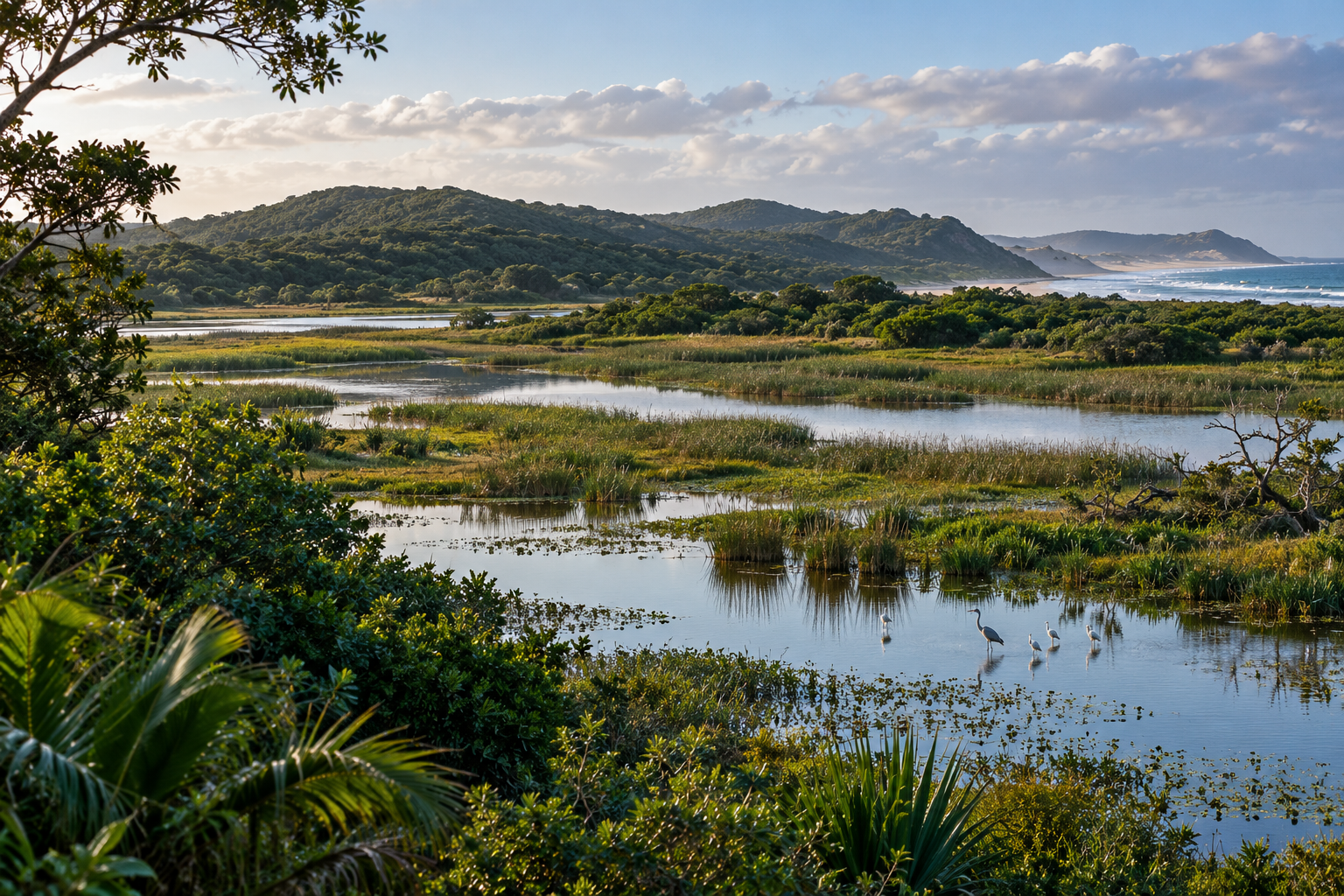
The Toyota Enviro Outreach expedition to iSimangaliso Wetland Park brought together scientists from different fields to study South Africa’s biodiversity. Led by the University of Johannesburg, the team worked together to collect plant and animal specimens for DNA barcoding, contributing to research that helps scientists identify and document species.
The expedition demonstrated the value of collaboration between researchers, conservation organisations, and supporting partners. By combining expertise in different areas of natural science, the team collected a wide range of specimens for further study.
A Multidisciplinary Team of Scientists
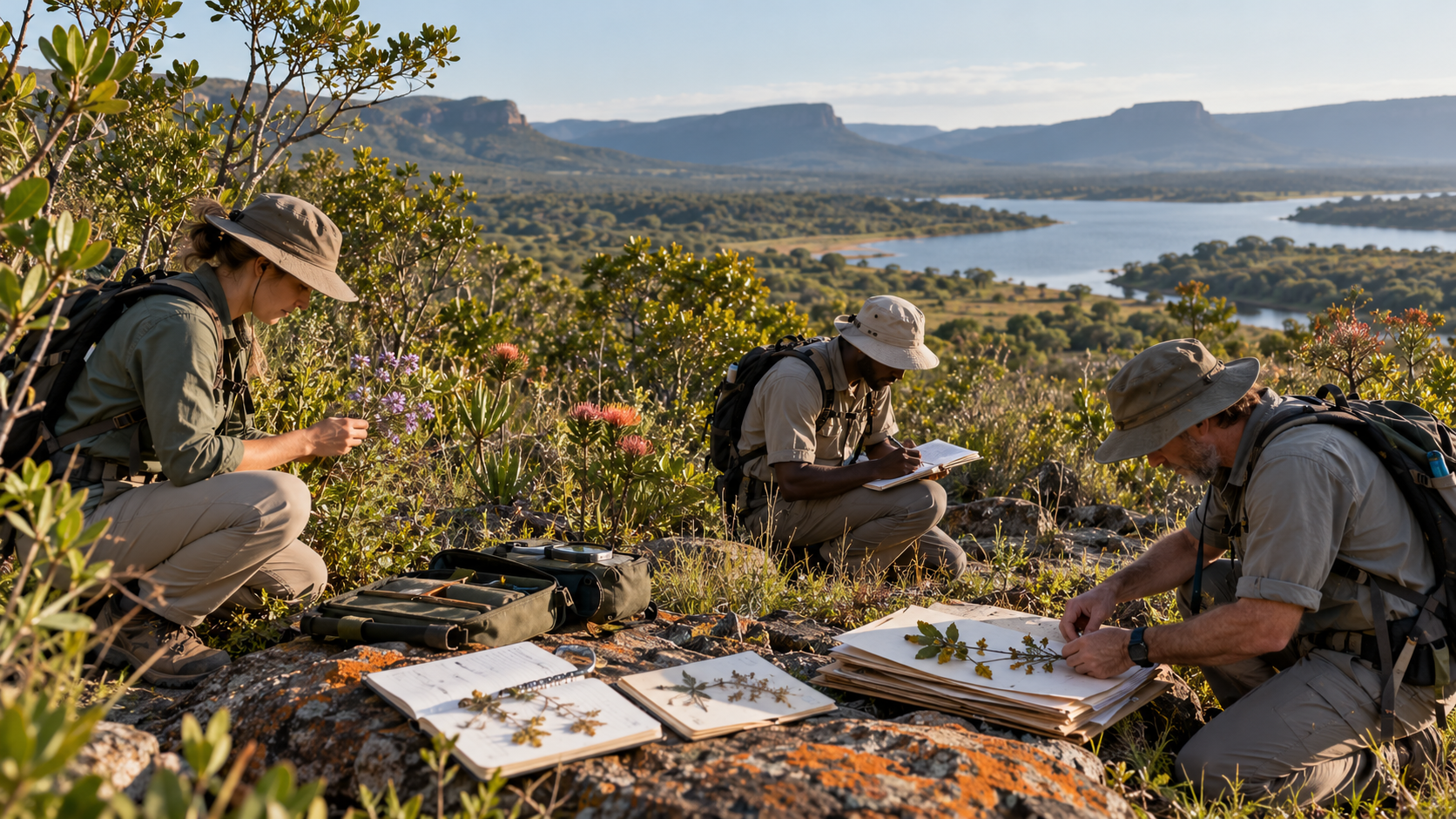
The expedition team included specialists in insect identification, plants, gastropods, fungi, and fish. Their combined knowledge helped researchers collect and document specimens representing different groups of organisms.
The team travelled to iSimangaliso Wetland Park to support DNA barcoding research. This scientific method uses a short, standardised DNA sequence to help identify organisms and distinguish between species.
By collecting specimens from different groups, the researchers contributed to a broader understanding of South Africa’s biodiversity. The work also supported the development of reference data that scientists and naturalists can use in future research.
More Than 1,020 Species Collected
During the expedition, the team collected more than 1,020 species, representing approximately 2,806 individual specimens.
The next stage involved generating DNA barcodes for the collected samples. These barcodes were intended for submission to the Barcode of Life Data Systems (BOLD), an online platform that provides a reference library of DNA barcode records.
Once available, these records can help researchers compare DNA sequences and support species identification. The resource also has value for amateur naturalists and other members of the scientific community interested in biodiversity.
The expedition’s results illustrate how fieldwork and laboratory analysis can work together to improve knowledge of the natural world.
The Role of the University of Johannesburg
The African Centre for DNA Barcoding at the University of Johannesburg played a central role in the expedition, working alongside partners from the International Barcode of Life project.
DNA barcoding research depends on collecting suitable specimens, documenting them carefully, and generating reliable sequence data. Field expeditions provide researchers with material that can later be analysed and incorporated into reference databases.
By supporting the collection of specimens from iSimangaliso Wetland Park, the Toyota Enviro Outreach helped provide material for this research process.
Acknowledging the Partners and Sponsors
The African Centre for DNA Barcoding and its partners expressed their gratitude to Toyota South Africa for providing a fleet of vehicles and supporting the Toyota Enviro Outreach initiative.
The team also acknowledged Gerhard and Elmarie Groenewald and their team at Klipbokkop Nature Reserve near Worcester for their logistical assistance and encouragement throughout the project.
Thanks were extended to the authorities at iSimangaliso Wetland Park and Ezemvelo KZN Wildlife for assisting with the necessary collecting permits.
Additional support came from the expedition’s sponsors: 4X4 Mega World, Camp World, National Luna, Goodyear, and Total. Their contributions helped support the fieldwork and the wider DNA barcoding project.
Why DNA Barcoding Matters for Biodiversity Research
Identifying species accurately is an important part of documenting biodiversity. Traditional identification methods often rely on physical characteristics, while DNA barcoding provides an additional method for comparing organisms through genetic sequences.
Reference databases such as BOLD can help researchers compare newly collected samples with existing records. The usefulness of these comparisons depends on the quality of the underlying data, specimen identification, and associated documentation.
Field expeditions therefore contribute more than specimen collections. They can help build resources that support future research, conservation studies, and public understanding of biodiversity.
The Lasting Impact of Toyota Enviro Outreach
The successful expedition highlighted what can be achieved when scientists, conservation authorities, and supporting organisations work towards a shared objective.
From collecting more than 1,020 species to preparing samples for DNA barcoding, the project brought together field research, specialist knowledge, and collaborative support.
Read more about the Toyota Enviro Outreach project to learn more about the wider initiative.
ToyotaOutreach is an independent automotive and outreach publication. It is not affiliated with or endorsed by Toyota Motor Corporation.