Your car just died on the shoulder. The engine won’t turn over, traffic is flying past, and one question is stuck in your head: how much would it cost to tow a car from here?
The good news is that most tows are cheaper than people fear. The bad news is that the final bill depends on a few things you can’t always control, like distance, time of day and where your car is sitting.
This guide breaks down real towing prices across the United States. You will see what a tow costs by the mile, what a 10 mile tow usually runs, which extra fees to watch for, and how to get your car moved for free or close to it.
Quick answer: A standard local tow in the U.S. usually costs $75 to $125, and the national average is about $109 according to J.D. Power. Most companies charge a hookup fee of $35 to $125 plus $2.50 to $7 per mile. A 10 mile tow typically lands between $75 and $200, while a 100 mile tow can pass $600.
How Much Is It to Tow a Car? Average Prices by Distance
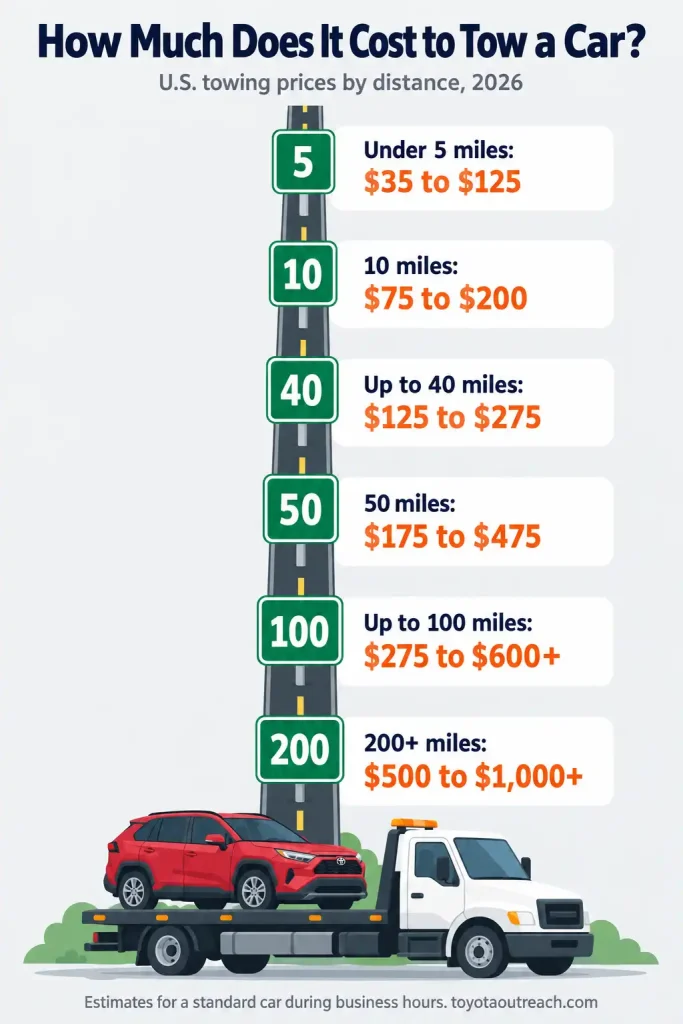
Distance is the single biggest driver of your towing bill. Short tows stay cheap because the hookup fee does most of the work. Long tows get expensive fast because every extra mile adds to the total.
Here is what you can expect to pay in most of the U.S. for a standard passenger car during normal business hours.
| Tow distance | Typical cost (USD) | What usually happens |
|---|---|---|
| Under 5 miles | $35 to $125 | Often covered by the hookup fee alone |
| About 10 miles | $75 to $200 | Hookup fee plus a few paid miles |
| Up to 40 miles | $125 to $275 | Per mile charges start to add up |
| About 50 miles | $175 to $475 | Price climbs quickly past this point |
| Up to 100 miles | $275 to $600+ | Flatbed often recommended |
| 200+ miles | $500 to $1,000+ | Car shipping may be cheaper |
The under 5, 40 and 100 mile ranges come from J.D. Power data. The 10, 50 and 200 mile rows are estimates worked out from common hookup fees and per mile rates, so treat them as a starting point, not a quote.
How tow companies build the price
Almost every towing bill in America follows the same simple formula:
Total cost = hookup fee + (miles towed x per mile rate) + any extra fees
- Hookup fee: $35 to $125. This covers sending the truck and securing your car. Many companies include the first 5 to 10 miles in this fee.
- Per mile rate: $2.50 to $7, with about $4.75 being a common middle point.
- Extra fees: After hours service, winching, special equipment or storage. More on these below.
Once you know this formula, you can check any quote yourself in about 30 seconds.
What Affects How Much It Costs to Get a Car Towed
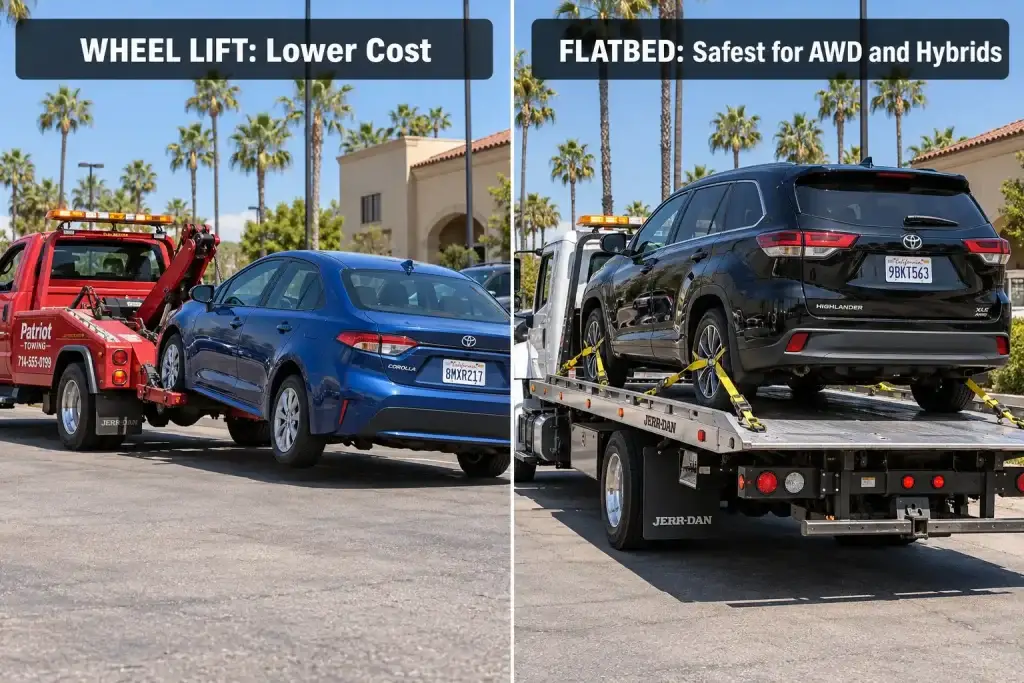
Two drivers can tow the same distance and pay very different prices. These are the factors that move the number up or down.
1. Type of tow truck
The truck you need matters as much as the miles.
| Tow truck type | Best for | Cost compared with standard |
|---|---|---|
| Wheel lift | Front wheel drive cars, short city tows | Lowest |
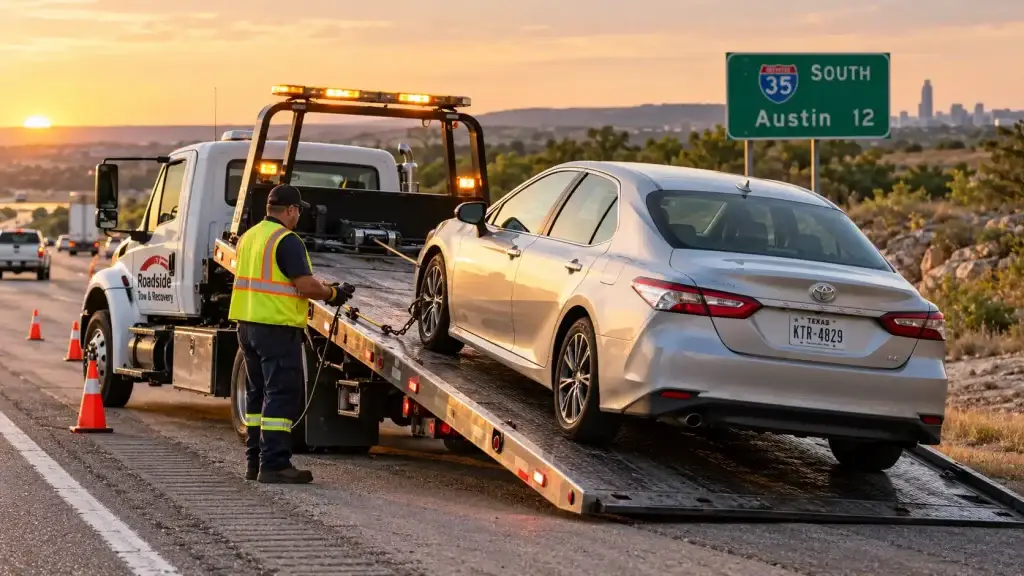
| Flatbed | AWD, 4×4, hybrids, EVs, luxury and damaged cars | Higher, often 20% to 30% more |
| Hook and chain | Junk cars, recovery from ditches | Low, but can scratch or bend parts |
| Heavy duty | Large trucks, RVs, buses | Highest |
If you drive an all wheel drive vehicle, a wheel lift tow can damage the drivetrain because two wheels spin while the other two don’t. AWD versions of family haulers like the 2025 Toyota Sienna or the 2018 Toyota Highlander should go on a flatbed, or on wheel dollies if your owner’s manual allows it.
Hybrids and electric cars also need extra care. Their motors can produce power when the wheels turn, so most makers call for a flatbed. If you want to know why, our guide on how Toyota hybrid systems work explains what is happening under the floor.
2. Vehicle size and weight
Compact cars cost the least to tow. Full size pickups, large SUVs and vans weigh more, so they may need a bigger truck. A heavy duty tow for an RV or box truck can cost several times more than a sedan tow.
3. Time of day and day of week
Nights, weekends and holidays usually cost more. Expect an after hours surcharge of roughly $25 to $100, or a markup of 25% to 50% on the whole bill. Bad weather can push prices up too, since every tow truck in town is busy.
4. Where your car is stuck
A car in a flat parking lot is an easy job. A car in a ditch, deep mud, snow or a tight parking garage takes more time and gear. Winching or recovery work often adds $100 to $250.
5. Condition of the car
Locked wheels, flat tires, a car stuck in park or heavy crash damage all slow the driver down. Extra time and extra equipment mean a bigger bill.
6. Your location
Big cities tend to charge more because of higher costs and heavy traffic. Rural areas may have lower rates but a longer drive for the truck to reach you, and some companies charge for that trip too.
How Much Is It to Tow a Car 10 Miles?
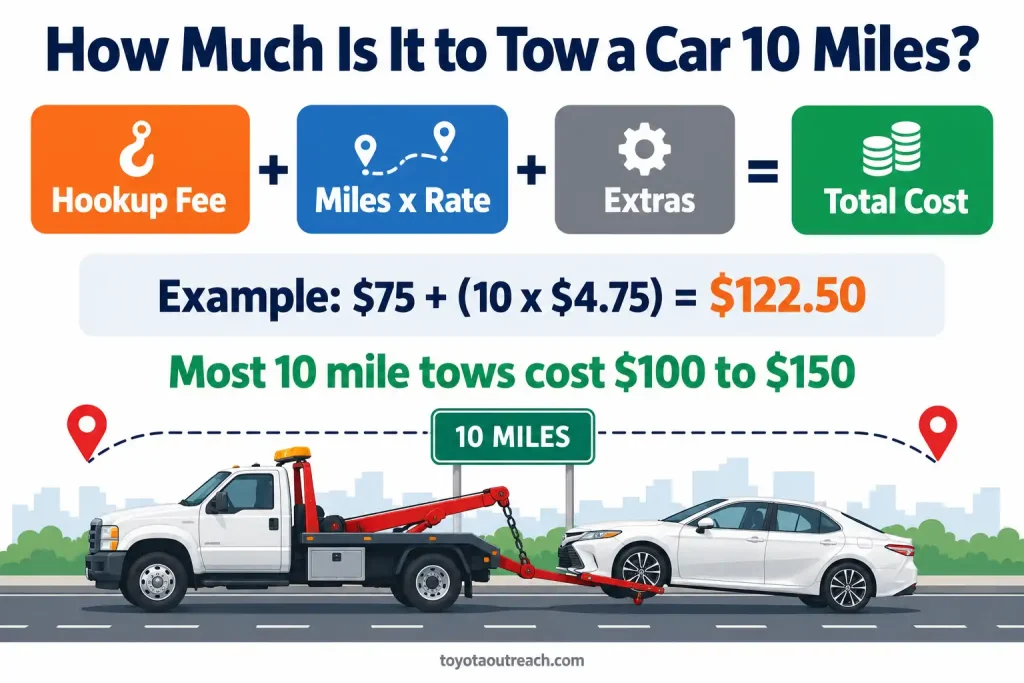
A 10 mile tow is the most common job, since it is about the distance from a typical breakdown to the nearest repair shop. For a standard car during the day, expect to pay $75 to $200, with most bills falling between $100 and $150.
Here is how four different companies might price the same 10 mile tow:
| Pricing style | Hookup fee | Mileage charge | Total |
|---|---|---|---|
| Budget company | $50 | 10 miles x $2.50 = $25 | $75 |
| Average company | $75 | 10 miles x $4.75 = $47.50 | $122.50 |
| First 5 miles included | $95 | 5 paid miles x $4 = $20 | $115 |
| Premium or city company | $125 | 10 miles x $7 = $70 | $195 |
Now add the extras if they apply. The same 10 mile tow at 2 a.m. on a Sunday could add $25 to $100. Asking for a flatbed could add another 20% to 30%.
Tip: When you call, ask one simple question: “What is the total price to tow my car from here to this address?” A good company will give you a firm number or a tight range before the truck leaves the yard.
How Much Does It Cost to Have a Car Towed in Different Situations?
Why your car needs a tow changes who pays and how much. Here are the five situations drivers run into most.
After a breakdown
This is the standard case covered by the prices above. A dead battery, overheated engine or failed transmission usually means a simple tow to a shop. You pay the tow company directly unless you have roadside coverage.
After an accident
Accident tows often cost more. The driver may need to clean glass and debris, deal with a car that won’t roll, or use a flatbed. The car may also go to a storage yard first, where daily fees start.
The upside is that you may not pay for it yourself. If the other driver caused the crash, their liability insurance should cover your tow. If you caused it, your collision coverage often pays for the tow from the scene. Keep every receipt for your claim.
When police impound your car
This is the most expensive kind of tow because the fees keep growing. Getting a car out of impound usually means:
- A tow and release fee, often $150 to $350
- Daily storage, often $20 to $60 per day
- Sometimes an admin or after hours gate fee
A car left for two weeks can easily pass $1,000. Many states cap these fees by law, so check your state’s rules and pick up your car as fast as you can.
When your car is towed from private property
Parking in a reserved spot or an apartment lot without a permit can get you towed. Most states require clear warning signs and set limits on what these companies can charge. If the signs were missing or the fee looks too high, you may be able to dispute it.
Towing a junk car
If your car is not worth fixing, a junkyard or scrap buyer will often tow it for free as part of buying it from you. Get the offer in writing and confirm there is no towing fee taken out of the payment.
How to Get Your Car Towed for Free or for Less
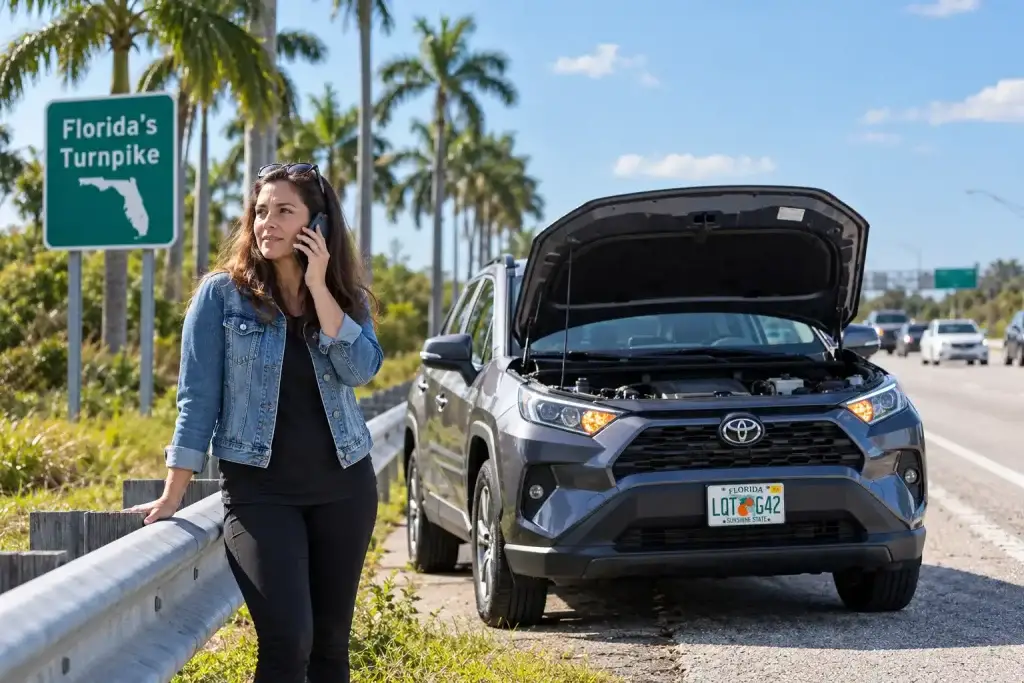
Many drivers already have free towing and don’t know it. Before you pay out of pocket, check these six places.
- Your car’s warranty. Many new cars include roadside help for the first few years. Most new Toyotas, for example, come with ToyotaCare, which includes 24 hour roadside assistance for two years. Look in your warranty booklet or call the number on the back of it.
- Your car insurance. Roadside assistance is a cheap add-on with most insurers, often well under $100 a year. Some policies pay the tow company directly. Others pay you back up to a set limit after you send the receipt.
- A motor club like AAA. Tow limits depend on your plan. Most AAA clubs cover about 5 miles with Classic, up to 100 miles with Plus, and one tow of up to 200 miles per year with Premier, according to AAA. Exact limits vary by club, and new members may wait a few days before full benefits start.
- Your credit card. Some cards include roadside help or a pay per use service with set prices. Check your card’s benefits page.
- Your phone plan or car app. Some cell carriers and car maker apps offer roadside programs as a paid add-on.
- The at-fault driver’s insurer. After a crash that was not your fault, the other driver’s insurance should cover the tow.
Other ways to cut the bill
- Call around if you are safe. If your car is parked safely, two or three quick calls can save you $50 or more.
- Tow to the closest good shop. Every extra mile costs money. A shop 5 miles away beats your favorite mechanic 40 miles away.
- Wait for business hours if you can. If your car is in a safe spot overnight, a morning tow can skip the after hours fee.
- Try a mobile mechanic first. A dead battery, flat tire or loose cable can often be fixed where you are, with no tow at all.
- Prevent the breakdown. Most tows come from issues you can spot early, like worn belts, weak batteries and low coolant. Our owner guides include a simple pre-trip checklist.
How to Avoid Towing Scams and Surprise Fees
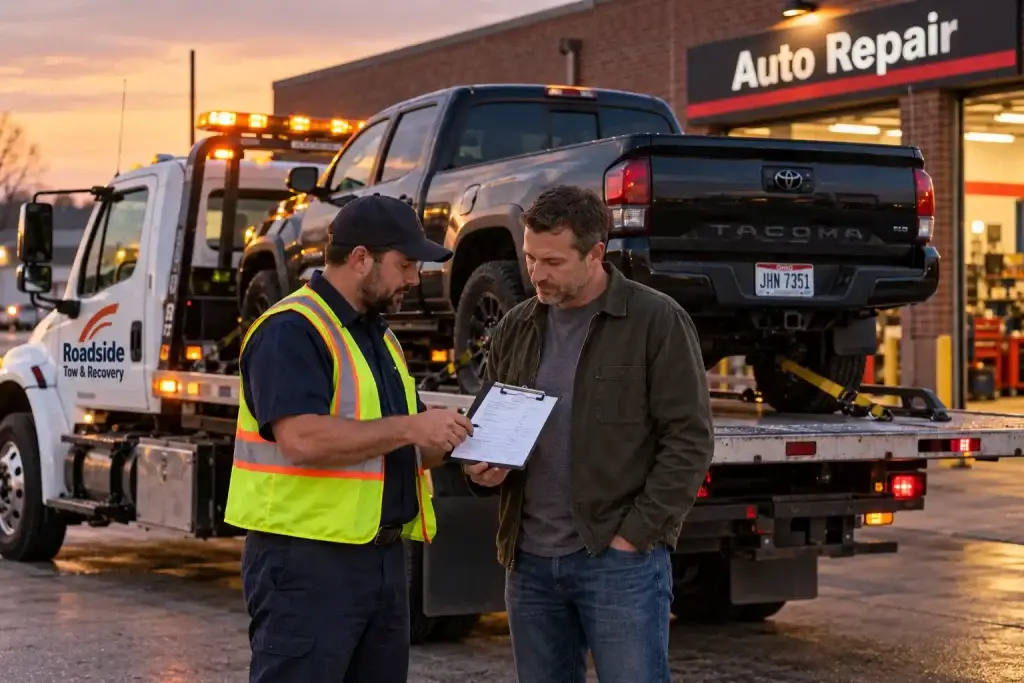
Most tow operators are honest people doing hard, dangerous work. Still, a stressed driver on the roadside is an easy target for the few who are not. Use this checklist every time.
- Only use a truck you called. Be careful with trucks that show up at a crash before anyone called them. Ask the police on scene if you are unsure.
- Get the total price before hookup. Ask for the hookup fee, the per mile rate and any extras. Get it by text if you can.
- Confirm where the car is going. Give the exact shop name and address. Some bad actors tow to their own yard and charge storage.
- Check the company name and number. It should be printed on the truck and match the business you called.
- Take photos of your car. Shoot all four sides before it is loaded. This protects you if new damage shows up.
- Remove your valuables. Take your phone charger, documents and anything you can’t replace.
- Ask for an itemized receipt. Every fee should be listed on its own line. You need this for insurance and for any dispute.
- Pay by card when possible. A card payment leaves a record and gives you a way to dispute a bad charge.
If you think you were overcharged, contact the company first with your receipt. If that fails, many states let you file a complaint with the state attorney general, the local police or the agency that licenses tow companies.
Frequently Asked Questions
How much would it cost to tow a car?
Most local tows in the U.S. cost $75 to $125, and the national average is about $109. Longer tows cost more because most companies add $2.50 to $7 for each mile after the hookup fee.
How much is it to tow a car 10 miles?
A 10 mile tow usually costs $75 to $200 for a standard car during the day. Most people pay between $100 and $150. Nights, weekends and flatbed trucks can raise the price.
Do tow trucks charge by the mile?
Yes, most do. You usually pay a flat hookup fee, which may include the first 5 to 10 miles, and then a per mile rate for every mile after that.
Does car insurance cover towing?
Basic liability insurance does not cover towing after a breakdown. You need roadside assistance or towing and labor coverage on your policy. After an accident, collision coverage or the at-fault driver’s insurance often pays for the tow.
Is a flatbed tow more expensive?
Yes. A flatbed often costs around 20% to 30% more than a wheel lift tow. It is the safest choice for AWD cars, hybrids, EVs, luxury cars and badly damaged vehicles.
How far will AAA tow my car for free?
It depends on your plan and your local club. Classic members usually get about 5 miles, Plus members up to 100 miles, and Premier members one tow of up to 200 miles per year.
Should I tip the tow truck driver?
Tipping is not required, but it is a kind gesture, especially for a hard recovery, bad weather or a late night call.