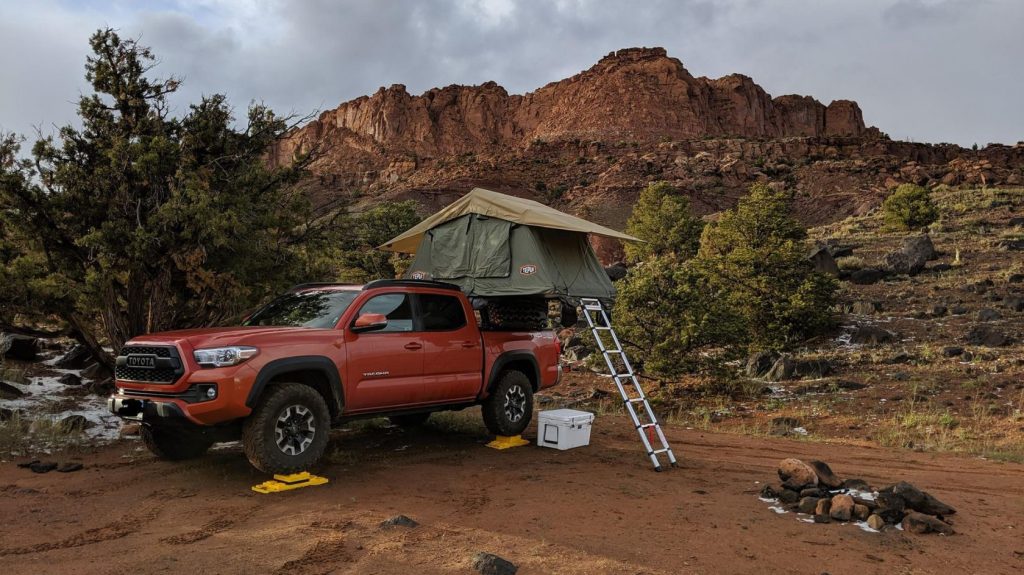
A weekend road trip through the American Southwest offers a chance to experience wide-open landscapes, dramatic rock formations, remote roads, and memorable camping destinations. For Toyota owners, the appeal often lies in travelling beyond busy highways and exploring places where careful preparation matters as much as the vehicle itself.
A successful desert adventure is not simply about driving farther from civilisation. It requires choosing an appropriate route, understanding road conditions, checking the vehicle, carrying enough water, and knowing when to turn around.
A Toyota 4Runner, Tacoma, Land Cruiser, or another suitable vehicle may be a good starting point for a desert journey, but capability depends on the specific model, equipment, tyres, load, and driver experience. Four-wheel drive does not eliminate the risks of soft sand, loose gravel, extreme heat, flash flooding, or remote travel.
This guide outlines how to plan a responsible two-day Toyota 4×4 adventure in the American Southwest. It is a planning framework rather than a report of a completed expedition. The destination and route should be selected only after checking current access rules, weather, road conditions, and local restrictions.
1. Choose a Route That Matches Your Experience
The first decision is where to travel. The American Southwest contains many different landscapes, from desert valleys and rocky plateaus to mountain roads and established camping areas.
For a first weekend adventure, choose a destination with clearly documented access, manageable driving distances, and a reliable way to return to a paved road. Avoid building an itinerary around an unverified social media post or an old trail map.
Before departure, research:
- The road’s surface and difficulty.
- Whether the route is open to your vehicle type.
- Seasonal closures and weather restrictions.
- Whether camping is permitted at your intended location.
- The distance between fuel stops.
- Mobile coverage and emergency access.
- Any permits or entry fees.
- Whether the route crosses private land or protected areas.
Official land-management websites are valuable starting points. The National Park Service provides information for national parks and other managed sites, while the Bureau of Land Management publishes information about many public lands.
Always confirm that the specific road is open and legally accessible. A route appearing on a digital map does not necessarily mean that driving or camping is permitted.
2. Prepare the Toyota Before Leaving
A remote trip is not the ideal time to discover that a tyre is damaged, a battery is weak, or routine maintenance is overdue.
Begin with a general inspection based on the owner’s manual and maintenance history. If the vehicle has recently developed a warning light, fluid leak, unusual noise, or steering problem, resolve it before travelling into a remote area.
Important checks include:
- Engine oil level and service status.
- Coolant level when the engine is completely cold.
- Brake condition and brake fluid.
- Tyre pressure and visible tyre damage.
- Spare tyre condition and inflation.
- Battery condition and electrical connections.
- Exterior lights and windscreen wipers.
- Suspension and steering condition.
- Visible leaks beneath the vehicle.
- Recovery points and installed accessories.
If the vehicle has been modified for overlanding, inspect the modifications as well. Additional equipment increases weight and can affect handling, braking, suspension performance, and fuel consumption.
Use the specifications for your exact Toyota model. Do not assume that a Tacoma, 4Runner, Hilux, or Land Cruiser has identical maintenance requirements.
3. Understand the Road Before You Drive It
Desert roads can change significantly with weather and traffic. A route that was manageable in dry conditions may become hazardous after rain, while loose sand and rocky sections can challenge vehicles that are otherwise comfortable on paved roads.
Study the route in advance and identify places where you can safely stop, turn around, or return to a maintained road.
Pay attention to:
- Loose gravel and washboard surfaces.
- Deep sand and soft shoulders.
- Steep climbs and descents.
- Narrow sections with limited passing space.
- Rocky areas that could damage tyres or underbody components.
- Washes and low crossings that may flood.
- Sections where reversing or turning around could be difficult.
Do not enter a route simply because another vehicle completed it. Its tyres, clearance, equipment, load, and driver’s experience may be different from yours.
If the terrain becomes more difficult than expected, stop somewhere safe and reassess. Turning back is a sensible decision, not a failed adventure.
4. Pack Water, Food, and Emergency Supplies
Desert travel requires careful preparation for heat, dehydration, delays, and unexpected vehicle problems.
Carry more water than you expect to need, taking account of the number of travellers, forecast conditions, physical activity, and the possibility of an unplanned overnight stay. There is no single quantity that is adequate for every trip.
Keep drinking water accessible rather than buried beneath luggage. Pack food that can be stored safely and eaten without depending on a campfire or electrical appliances.
A useful emergency kit may include:
- Drinking water and emergency supplies.
- First-aid kit.
- Sun protection and suitable clothing.
- Flashlights or headlamps.
- Fully charged mobile phones.
- Backup power for essential devices.
- Offline maps and a paper map.
- Emergency contact information.
- Basic tools appropriate to your vehicle.
- Spare tyre and suitable tyre-changing equipment.
- Reflective warning equipment.
- Emergency shelter or warm layers appropriate to the forecast.
For remote routes, consider a suitable satellite communicator or other emergency communication device if ordinary mobile coverage cannot be relied upon.
Tell a trusted person your planned route and expected return time. Establish a check-in plan and explain what action should be taken if you fail to check in.
5. Carry Recovery Equipment You Know How to Use
Getting stuck is a possibility on some off-road routes, but recovery equipment is only useful when it is suitable, inspected, and used correctly.
Equipment needs depend on the terrain and vehicle. A tyre-pressure gauge, portable air compressor, traction boards, shovel, and properly rated recovery equipment may be useful for some trips.
Before departure, understand your vehicle’s approved recovery points and the limitations of its accessories. A decorative tow hook or an unsuitable tie-down point should never be assumed to be a safe recovery point.
If using recovery straps, winches, or other load-bearing equipment, follow the equipment manufacturer’s instructions and obtain practical training. Recovery operations can involve dangerous stored energy and heavy loads.
Never stand in the potential path of a tensioned recovery line, and keep bystanders away from the recovery area. Do not improvise a recovery using equipment with an unknown rating.
If a situation exceeds your training or available equipment, seek qualified assistance rather than escalating the risk.
6. Plan Fuel, Driving Time, and Return Options
Remote travel can use more fuel than expected. Loose surfaces, elevation changes, low-speed driving, heavy loads, and detours can all affect consumption.
Estimate the round-trip distance and identify reliable fuel stops before leaving. Build in a reserve for unexpected route changes instead of planning to arrive at a fuel station with almost no remaining range.
Your itinerary should include:
- The intended departure time.
- Planned driving distance.
- Fuel stops and alternative options.
- Time for breaks and inspections.
- The planned campsite or overnight destination.
- A turnaround time.
- A realistic return time.
Avoid setting an itinerary that depends on driving quickly through unfamiliar terrain. Daylight, fatigue, weather, and road conditions should influence how much ground you attempt to cover.
If the trip starts running behind schedule, shorten the route rather than driving beyond your safe limits.
7. A Practical Two-Day Adventure Framework
The following example shows how to organise a weekend without inventing a completed journey or assuming a specific road is currently open.
Day One: Departure and Route Exploration
Start with a final vehicle inspection and check the latest weather and access information.
Drive to the selected public-land or established recreation destination using a verified route. Stop periodically to assess road conditions, check navigation, and ensure the vehicle remains in good condition.
If the route becomes difficult, reassess before proceeding. Avoid driving onto unfamiliar tracks simply to reach a viewpoint shown in a photograph.
Choose a permitted campsite with enough time to set up before dark. Store food securely, follow local fire restrictions, and leave the area clean.
Day Two: Short Morning Drive and Return
Check the weather and road information again before leaving camp.
If conditions are suitable, explore a short, pre-researched section of the route. Keep enough time and fuel to return without rushing.
Before heading home, inspect the tyres and look for visible damage or fluid leaks. Secure all equipment and remove rubbish from the campsite.
After the trip, record the route, mileage, fuel use, maintenance observations, and any equipment that needs repair or replacement. These notes can make the next journey easier to plan.
8. Camp Responsibly in Desert Country
Desert environments may appear empty, but they contain fragile soils, plants, wildlife, and cultural or historical sites.
Stay on routes where motorised travel is permitted. Avoid creating new tracks around obstacles, driving across sensitive vegetation, or entering closed areas.
Before camping, confirm the rules for the specific land manager and location. Restrictions on campfires, vehicle access, waste disposal, and overnight stays vary by area.
Responsible camping includes:
- Using designated campsites where required.
- Respecting seasonal closures.
- Keeping a safe distance from wildlife.
- Taking rubbish away.
- Using existing legal access routes.
- Avoiding damage to cultural or historic sites.
- Following fire restrictions.
- Leaving the campsite as you found it.
Do not assume that all public land allows unrestricted driving or overnight camping. Check the rules for the exact destination before setting out.
9. What to Do if the Weather Changes
Desert conditions can become dangerous when temperatures rise, visibility drops, or rain creates flash-flood risk.
Check official forecasts before departure and monitor changing conditions where possible. Be particularly cautious around dry washes, canyons, and low crossings when storms are forecast.
Never drive into flowing floodwater when depth, road condition, or current strength is uncertain. Water can conceal damaged surfaces and may move a vehicle unexpectedly.
If a route becomes unsafe, stop in an appropriate safe location and follow official emergency guidance. Do not continue merely to keep to the original itinerary.
Heat also affects travellers and vehicles. Take breaks, stay hydrated, and recognise signs of heat-related illness. Seek emergency assistance if someone develops severe symptoms such as confusion, collapse, or altered consciousness.
10. Use a Workshop Manual to Prepare for Remote Travel
A Toyota workshop manual can help owners understand their vehicle’s maintenance requirements and identify the correct repair information for their model.
Before a remote trip, relevant documentation may include:
- Routine service specifications.
- Fluid requirements.
- Fuse and electrical information.
- Tyre and wheel specifications.
- Component locations.
- Basic inspection procedures.
- Vehicle-specific warning and troubleshooting information.
The owner’s manual is the primary reference for routine operation, dashboard warnings, and manufacturer instructions. A detailed workshop manual is more useful for technical repair procedures.
Confirm that the documentation matches your model year, engine, transmission, drivetrain, and market. Do not attempt a complex roadside repair merely because instructions are available.
For related reading, see our Toyota workshop manuals guide and Toyota Hilux overland preparation guide. Confirm that both pages are live before publishing these links.
Final Thoughts
A rewarding Toyota 4×4 weekend is built around good preparation, realistic planning, and respect for the environment. Choose a route that matches your experience, inspect the vehicle, carry adequate supplies, and have a clear plan for returning safely.
The most important part of an overland trip is not reaching the most remote point on the map. It is making sound decisions when conditions change and ensuring that everyone returns safely.
Research current access rules, weather, and road conditions before departure. A flexible itinerary, reliable communication plan, and well-maintained vehicle can make the experience more enjoyable while reducing avoidable risks.
ToyotaOutreach.com is an independent Toyota owners’ website and is not affiliated with or endorsed by Toyota Motor Corporation.