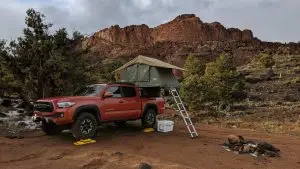

Owning a Toyota involves more than keeping the fuel tank full and changing the engine oil. Whether you drive a Corolla, Camry, Prius, Tacoma, Hilux, 4Runner, or Land Cruiser, understanding your vehicle’s maintenance requirements can help you make informed decisions about servicing and repairs.
An owner’s manual is useful for everyday operation, dashboard warnings, routine checks, and basic maintenance information. When a repair becomes more technical, however, you may need more detailed service documentation.
This is where a workshop manual can help. Depending on the vehicle and documentation available, a workshop manual may provide repair procedures, component diagrams, diagnostic information, wiring diagrams, inspection measurements, and tightening specifications.
Finding the right manual is important. Toyota vehicles can differ substantially by model year, engine, transmission, market, and equipment. A procedure written for one version may not apply to another.
This guide explains what Toyota workshop manuals contain, how to identify the correct documentation, where to look for reliable information, and when a repair should be left to a qualified technician.
1. What Is a Toyota Workshop Manual?
A Toyota workshop manual, sometimes called a repair manual or service manual, provides technical information for maintaining, diagnosing, and repairing a particular vehicle or group of vehicle configurations.
The precise contents depend on the model and publication. Some manuals cover an entire vehicle, while others cover selected systems or procedures.
Common sections may include:
- Engine mechanical service.
- Fuel and engine management systems.
- Cooling and lubrication systems.
- Transmission and drivetrain repairs.
- Brake system inspection and service.
- Suspension and steering components.
- Electrical wiring diagrams.
- Diagnostic trouble codes and troubleshooting.
- Component removal and installation.
- Inspection procedures and technical specifications.
A workshop manual is not necessarily a substitute for professional training. Technical information must be interpreted correctly, and some procedures require specialised tools, diagnostic equipment, or safety precautions.
Before using any repair instructions, confirm that the publication covers your vehicle’s exact configuration.
2. Workshop Manual vs Owner’s Manual vs Repair Guide
These documents serve different purposes, so it helps to understand what each one is designed to do.
| Document | Main purpose | Typical information |
|---|---|---|
| Owner’s manual | Everyday vehicle use | Dashboard warnings, controls, routine checks and operating instructions |
| Maintenance schedule | Planned servicing | Inspection intervals and scheduled maintenance items |
| Workshop manual | Technical service and repairs | Procedures, specifications, diagrams and diagnostic steps |
| Parts catalogue | Identifying replacement components | Part numbers, component illustrations and assembly breakdowns |
| General repair guide | Broad repair education | Explanations of common systems and maintenance concepts |
The distinction matters because a general article might explain how a braking system works without providing the exact procedure for servicing the brakes on your vehicle.
Similarly, a parts diagram may help identify a component but may not explain how to install it safely.
Use the document that matches the task you are planning, and consult the manufacturer’s instructions when a procedure depends on vehicle-specific details.
3. Identify Your Exact Toyota Model and Year
One of the most common mistakes when searching for repair documentation is using only the vehicle’s name.
For example, searching for a Toyota Hilux manual without specifying the model year, engine, or market may produce documentation for a different generation. The same issue can occur with Corolla, Camry, Prius, and Land Cruiser manuals.
Before downloading or purchasing a manual, collect the following details:
Model and model year: Confirm the vehicle’s official model year and, where possible, production date.
Engine: Identify the engine type or code if available.
Transmission: Establish whether the vehicle uses a manual, automatic, hybrid, or other configuration.
Drivetrain: Confirm whether it is front-wheel drive, rear-wheel drive, or four-wheel drive, where applicable.
Market: Check whether the vehicle was originally intended for the US, UK, Australia, Japan, or another market.
Model or chassis code: This can help distinguish closely related versions.
The vehicle identification number, or VIN, can assist with identification. However, a VIN decoder does not necessarily provide every detail required to establish manual compatibility.
If you are unsure about the vehicle’s configuration, consult its identification plate, owner’s documentation, or a Toyota dealer or qualified repairer.
4. Where Can You Find Toyota Repair Information?
Start with official documentation whenever possible. Availability varies by country, vehicle age, and model.
Toyota owner resources
Toyota provides owner resources for supported vehicles. These can help you locate the owner’s manual and other vehicle-specific information.
Visit the official Toyota Owners website and check the resources available for your vehicle.
Remember that an owner’s manual and a complete workshop manual are different documents. Do not assume that every technical repair procedure is included in the owner’s resources.
Toyota technical information for the relevant market
Some markets provide access to more detailed service information through official technical-information services or authorised repair networks. Access conditions, subscription requirements, and available documents can differ.
For a vehicle registered outside the United States, consult the official Toyota website or distributor for your region rather than assuming that US documentation is suitable.
Independent workshop-manual resources
Independent websites may offer repair documentation, workshop manuals, or related technical resources. Before relying on a publication, verify the vehicle coverage, document completeness, publisher, and any usage restrictions.
You can explore WorkshopManuals.com and WorkshopManuals.org as starting points for researching model-specific documentation.
Check whether the manual covers your exact year, engine, transmission, and market before making a purchase or relying on its instructions.
Professional repair shops
A qualified mechanic may have access to technical service information and diagnostic resources that are not included in a general owner’s manual.
If the repair involves complex diagnostics, safety systems, or specialised equipment, a professional workshop can help establish the correct procedure.
5. How to Check Whether a Manual Is Compatible
Before using a Toyota workshop manual, compare its description with the details of your vehicle.
Look for explicit coverage of:
- The correct model and generation.
- The applicable production years.
- Engine and transmission variants.
- The intended market.
- Relevant drivetrain configuration.
- Any exclusions listed by the publisher.
Do not rely solely on the cover image or a broad title such as “Toyota Repair Manual.”
If the manual covers several years, read the model-coverage notes to determine whether your exact version is included. Some procedures may have changed during a model generation.
Check the publication date and revision information where available. Later revisions may include corrections or updated service information.
If a critical specification appears inconsistent with the vehicle’s official documentation, do not guess. Confirm the information through a reliable source before proceeding.
6. Understanding Repair Procedures and Technical Specifications
A workshop manual may contain detailed instructions that assume the reader understands automotive terminology, workshop safety, and the use of specialised tools.
For example, a procedure may specify a tightening torque, a sequence for removing components, or a measurement that must fall within a defined range.
These details should not be treated as optional.
When following a procedure, make sure you understand:
- Which vehicle and component the instructions apply to.
- The tools and replacement parts required.
- Any safety precautions or preparation steps.
- The specified sequence of operations.
- The relevant tightening values and measurements.
- Any required post-repair checks or diagnostic procedures.
Torque specifications, fluid types, and adjustment values can vary between engines and components. Do not copy a value from a different Toyota model simply because the parts look similar.
If the instructions are incomplete or unclear, pause and obtain the correct technical information rather than improvising.
7. Using Wiring Diagrams and Diagnostic Information
Electrical faults can be difficult to diagnose because one symptom may have several possible causes.
A wiring diagram can show electrical connections, fuses, connectors, grounds, and circuit relationships. Diagnostic information may help explain the conditions under which a trouble code is stored and which checks should be performed.
However, a diagnostic trouble code does not always identify a single defective part.
A warning light could result from a failed component, a wiring issue, a poor connection, a power-supply problem, or another system fault. Replacing parts without testing may increase costs without resolving the problem.
A sound diagnostic process involves confirming the complaint, retrieving relevant codes, checking the appropriate circuit or component, and comparing the findings with the correct service information.
Some electrical tests require specialised equipment and knowledge. Hybrid systems, airbags, and other safety-related circuits need particular care.
Do not probe, disconnect, or repair safety-critical electrical systems unless you are trained and equipped to follow the approved procedure.
8. Why the Correct Manual Matters for Toyota Hybrid Vehicles
Hybrid vehicles introduce additional systems that may not be covered by documentation for a conventional petrol model.
Depending on the vehicle, technical information may cover the hybrid battery, inverter, electric motors, power electronics, battery cooling, and high-voltage safety procedures.
A hybrid warning message does not automatically mean that the high-voltage battery has failed. Diagnosis may involve multiple control systems and related components.
Owners should distinguish between routine checks described in the owner’s manual and technical work requiring specialist training.
High-voltage components can cause serious injury. Battery removal, internal repair, and high-voltage testing should be performed only by appropriately trained and equipped professionals.
When looking for Prius or other Toyota hybrid documentation, verify that it explicitly covers the correct hybrid generation and powertrain.
9. Workshop Manuals for Popular Toyota Models
The type of documentation you need depends on your vehicle and the repair you are researching.
Toyota Corolla
Corolla documentation may cover engine maintenance, transmission servicing, braking systems, suspension, steering, and electrical diagnostics. Confirm the exact generation, engine, and market before using repair procedures.
Toyota Camry
Camry manuals may vary significantly across petrol, hybrid, and different-generation models. Make sure the selected publication covers the specific powertrain installed in your vehicle.
Toyota Prius
Prius repair information may include hybrid-system diagnostics and high-voltage safety requirements. Use documentation specific to the correct generation and seek professional assistance for high-voltage repairs.
Toyota Tacoma
Tacoma documentation should match the model year, engine, transmission, and drivetrain. This is especially important when researching four-wheel-drive components or modifications.
Toyota Hilux
Hilux specifications and equipment vary between markets and generations. Confirm the chassis or model details and engine before choosing a repair manual.
Toyota 4Runner
4Runner documentation may include engine, transmission, suspension, and four-wheel-drive procedures. Confirm the correct model generation and configuration.
Toyota Land Cruiser
Land Cruiser variants can differ in engine, drivetrain, electronics, and body configuration. Use documentation that explicitly covers the relevant version rather than relying on a generic model name.
These are examples of the types of documentation owners may need. Availability and exact coverage depend on the publication and vehicle.
10. Common Mistakes When Choosing a Workshop Manual
Choosing an unsuitable manual can waste time and may create safety risks.
Choosing by model name alone: Closely related models can have different components and service procedures.
Ignoring the engine or transmission: Repair specifications may change depending on the powertrain.
Using documentation for another market: Vehicles sold in different regions may have different equipment and technical specifications.
Assuming every online PDF is complete: A document may omit sections, contain poor scans, or cover only a limited set of repairs.
Ignoring revision details: Older information may not reflect later corrections or applicable updates.
Using generic torque values: Incorrect tightening specifications can damage components or compromise safety.
Attempting a complex repair without the right tools: Some procedures require equipment that is not available in a typical home garage.
Take the time to verify the publication before relying on it. If the manual’s coverage cannot be confirmed, look for a more authoritative source.
11. How to Organise Your Vehicle’s Repair Documentation
Once you find suitable documentation, organise it so that it is easy to consult during future maintenance.
Keep a record of:
- Vehicle model and model code.
- VIN, stored securely.
- Engine and transmission details.
- Owner’s manual and maintenance schedule.
- Workshop-manual publication details.
- Service invoices and inspection reports.
- Part numbers for confirmed replacements.
- Diagnostic reports.
- Recall and repair records.
Keep digital copies in a clearly named folder and maintain backups where appropriate. Follow the publisher’s licence and usage restrictions when storing or sharing documents.
A separate maintenance log can help you track completed work, outstanding issues, and the mileage at which service was performed.
Good records are particularly valuable when selling a vehicle because they help demonstrate how it has been maintained.
12. When to Use a Professional Mechanic
A workshop manual is a technical reference, not a guarantee that every repair is suitable for a home mechanic.
Professional assistance is recommended when a job involves:
- Brake or steering systems that require specialist repair.
- Airbags or other safety-critical systems.
- High-voltage hybrid components.
- Complex transmission or engine diagnostics.
- Structural damage.
- Specialised calibration or programming.
- Tools or lifting equipment you do not have.
- Unclear procedures or unexplained diagnostic results.
If a vehicle develops a serious warning, overheating, sudden power loss, or a braking problem, follow the manufacturer’s safety instructions and avoid continuing to drive when it is unsafe.
The best repair decision is based on the actual fault, the correct technical information, your skills, and the equipment available.
Frequently Asked Questions
Are Toyota workshop manuals available online?
Some Toyota technical and owner documentation is available online, while access to more detailed repair information depends on the market, vehicle, and publisher. Check official Toyota resources and verify the coverage of any independent publication.
Is a workshop manual the same as a repair manual?
The terms are often used similarly, but the contents can differ. Check the actual document description and coverage rather than relying only on its name.
Can I use one Toyota workshop manual for multiple model years?
Sometimes a publication covers several years, but compatibility must be confirmed. Changes to engines, wiring, components, and repair procedures can affect which instructions apply.
Do Toyota hybrid vehicles need special repair information?
Yes. Hybrid vehicles may require additional system-specific diagnostic procedures and high-voltage safety information. High-voltage repairs should be handled by appropriately trained professionals.
Can a workshop manual help me diagnose a warning light?
It may provide diagnostic procedures and technical information, but the correct diagnosis may also require a compatible scan tool, test equipment, and professional expertise.
Where should I start if I only need routine maintenance information?
Begin with the owner’s manual and maintenance schedule for your exact vehicle. Use more detailed technical documentation when the job requires it.
Final Thoughts
A suitable Toyota workshop manual can make vehicle maintenance and repair information easier to understand, but only when it matches the vehicle and the task.
Identify the exact model year, engine, transmission, drivetrain, and market before selecting documentation. Prefer reliable technical information, check publication coverage, and avoid guessing when specifications or procedures are unclear.
For routine checks, the owner’s manual is often the best starting point. For complex diagnostics and safety-critical repairs, use qualified professionals with the correct tools and service information.
Keeping accurate maintenance records and following vehicle-specific procedures can help Toyota owners make more informed decisions throughout the life of their vehicles.
ToyotaOutreach.com is an independent website and is not affiliated with or endorsed by Toyota Motor Corporation.