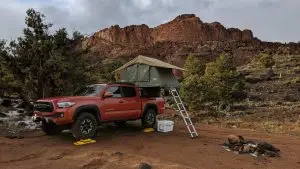

The 2003–2009 Toyota 4Runner remains an appealing used SUV for drivers who want body-on-frame construction, available four-wheel drive and the flexibility to handle daily commuting and outdoor trips. However, these vehicles are now old enough that condition, maintenance history and previous repairs matter more than a reputation for durability alone.
If you are considering buying a fourth-generation 4Runner or maintaining one you already own, focus on the frame, suspension, cooling system, drivetrain and evidence of regular servicing. A vehicle that looks clean outside can still have corrosion or neglected mechanical components underneath.
A model-specific workshop manual can help you identify the correct inspection procedures, fluid specifications, tightening torques and repair steps for your exact engine and configuration. This guide explains what to inspect, which maintenance records to look for and when professional diagnosis is the safer choice.
Which Toyota 4Runner models does this guide cover?
This article covers the fourth-generation Toyota 4Runner sold in the United States from model years 2003 through 2009. These vehicles were offered with different engines, drivetrains and equipment depending on the year and trim.
Many examples use a 4.0-litre V6, while some were equipped with a 4.7-litre V8. Two-wheel-drive and four-wheel-drive configurations can also differ in their service requirements.
Do not assume that every 4Runner from this generation uses the same parts, fluids or procedures. Before ordering components or carrying out a repair, confirm the model year, engine, drivetrain and vehicle identification number (VIN).
1. Frame rust and underbody corrosion
Frame condition should be one of the first things you inspect when buying a used 2003–2009 4Runner, especially if it has spent years in a region where roads are treated with salt during winter.
Surface rust can be common on an older vehicle, but heavy scale, deep pitting, flaking metal, perforation or corrosion around structural mounting points requires closer assessment. Pay particular attention to areas around suspension attachments, crossmembers, brackets and sections where dirt and moisture can collect.
What to check
- Look along accessible sections of the frame for scaling, swelling or layers of flaking metal.
- Inspect suspension mounting areas and crossmembers for significant corrosion.
- Look for signs of previous welding, patches or repairs and ask for documentation.
- Check brake and fuel lines for corrosion where accessible.
- Ask a qualified inspection shop to assess any suspected structural damage.
Do not crawl underneath a vehicle supported only by a jack. Use appropriate vehicle lifts or correctly rated jack stands on a suitable surface.
If the frame has deep corrosion or possible structural weakening, obtain a professional assessment before purchasing the vehicle or driving it further. Cosmetic rust treatment is not a substitute for repairing compromised structure.
2. Suspension and steering wear
A 4Runner with high mileage may have worn suspension and steering components, particularly if it has regularly carried heavy loads, travelled over rough roads or been used for off-road driving.
Potential warning signs include knocking noises over bumps, uneven tyre wear, steering looseness, vibration and a vehicle that does not track straight. These symptoms are not proof of a particular failed component, so a proper inspection is important.
Components worth inspecting
Ball joints and tie rods: Excessive play or damaged joints can affect steering control. Inspection should follow the correct procedure for the suspension configuration.
Bushings: Cracked, separated or badly worn rubber bushings may allow unwanted movement and produce knocking noises.
Shock absorbers and struts: Look for leakage, damaged mounting points and poor damping. A bouncing ride can have several causes and should be diagnosed rather than assumed to be a shock absorber problem.
Wheel bearings: Listen for humming or grinding noises and check for play using the correct service procedure.
CV boots and driveline joints: On applicable four-wheel-drive configurations, inspect CV boots for splits and grease leakage. Check other driveline components for damage or abnormal movement.
Have steering or suspension defects assessed promptly, especially if the vehicle feels unstable or steering behaviour changes suddenly.
3. Engine leaks, cooling system and overheating
Both the V6 and V8 engines require regular maintenance and correct diagnosis when warning signs appear. Age, mileage and previous servicing can affect the condition of hoses, seals, belts and cooling-system components.
Start with a visual inspection for fluid leaks around the engine and beneath the vehicle. Check the coolant reservoir when the engine is cold and look for damaged hoses, cracked fittings or dried coolant residue.
Never remove a radiator cap while the cooling system is hot or pressurised.
Warning signs to investigate
- Coolant levels that repeatedly drop without an obvious explanation.
- Temperature readings that rise above the normal operating range.
- Coolant or oil leaks.
- Unusual engine noises or persistent warning lights.
- A sweet coolant smell or visible residue around hoses and connections.
If the engine overheats, stop in a safe location and switch it off when appropriate. Continuing to drive an overheating engine can cause serious damage.
Use the workshop manual for the correct cooling-system inspection and testing procedures for your specific engine. Do not replace a water pump, thermostat or other component solely because a symptom appears to point towards it.
4. Transmission, transfer case and differential maintenance
Transmission and driveline servicing deserves attention on an older 4Runner, particularly if it has been used for towing, off-road driving or extended journeys.
During a test drive, pay attention to delayed engagement, harsh or inconsistent shifts, unusual vibration and leaks. These symptoms may have different causes, including fluid condition, mounts, sensors or internal mechanical problems.
Four-wheel-drive models also have additional components, including a transfer case and front differential, that require the correct inspection and service procedures.
Maintenance checks
- Review the service history for transmission and driveline maintenance.
- Inspect accessible areas for fluid leaks.
- Check for unusual noises during acceleration, deceleration and turning.
- Confirm that the four-wheel-drive system operates as described in the owner’s manual.
- Investigate vibration or driveline clunks instead of assuming they are normal for an older SUV.
Fluid specifications, inspection conditions and service intervals can vary by configuration. Check the applicable factory documentation before adding or replacing fluids. If shifting problems or warning lights occur, obtain a proper diagnosis before authorising major repairs.
5. Brakes, tyres and wheel condition
Brakes and tyres are safety-critical, so they should be inspected before a long trip and when buying any used 4Runner.
Check tyre pressure against the vehicle’s recommended specification and inspect the tread for uneven wear, cuts, bulges and ageing. Do not forget the spare tyre, which may have been stored for years without inspection.
Brake checks should include the visible condition of pads, rotors, hoses and accessible lines. A brake pedal that feels unusually soft, a vehicle that pulls when braking, grinding noises or a brake warning light warrants prompt attention.
Wheel and tyre checks
- Check tyre pressures with a reliable gauge.
- Look for uneven tread wear that may indicate alignment or suspension issues.
- Confirm that the wheels and tyres are appropriate for the vehicle.
- Check wheel fasteners using the correct tightening specification.
- Have damaged brake components or corroded brake lines inspected by a qualified technician.
Never guess wheel-fastener torque. Use the correct specification for the wheel and vehicle configuration.
6. Electrical problems and warning lights
Ageing electrical connections, damaged wiring, battery problems and previous accessory installations can create intermittent faults. Additional lights, radios, winches and other accessories may also complicate diagnosis if their wiring has not been installed properly.
If a warning light appears, record which light is illuminated and under what conditions it occurs. A diagnostic trouble code can help narrow down the possible causes, but a code alone does not necessarily identify the failed component.
Check the battery terminals for corrosion and make sure the battery is secure. If you inspect fuses, use the correct rating and never replace a fuse with a higher-rated one to prevent it from blowing again.
For more involved electrical work, a wiring diagram for the correct year and configuration can save time and help prevent damage. Disconnecting a battery or probing circuits can affect vehicle systems, so follow the applicable safety instructions.
7. Build a maintenance schedule around your exact vehicle
There is no single maintenance schedule that applies identically to every 2003–2009 4Runner. Service requirements depend on the engine, drivetrain, operating conditions, mileage and the maintenance documentation for that vehicle.
A practical maintenance record should include:
- Engine oil and filter services.
- Air-filter inspections and replacements.
- Coolant condition and cooling-system repairs.
- Brake inspections and repairs.
- Tyre rotations, pressures and alignment work.
- Transmission, transfer-case and differential servicing where applicable.
- Spark plugs, drive belts and other scheduled items according to the applicable schedule.
- Repairs, diagnostic findings and replacement parts.
Toyota’s official maintenance resources explain how owners can locate maintenance information for their vehicles. Start with the Toyota maintenance schedule and the documentation supplied for the relevant model year.
If the vehicle has an incomplete service history, avoid assuming that every item was completed by a previous owner. Have the vehicle inspected and establish a maintenance baseline before using it for demanding trips.
8. Why a model-specific workshop manual matters
An owner’s manual is useful for operating the vehicle, understanding warning lights and finding basic maintenance information. A workshop manual serves a different purpose: it provides more detailed service and repair information for technicians and experienced DIY owners.
Depending on the vehicle and documentation available, workshop information may include:
- Component removal and installation procedures.
- Tightening torques and adjustment specifications.
- Wiring diagrams and connector information.
- Diagnostic procedures and trouble-code references.
- Fluid specifications and capacities.
- Inspection limits and troubleshooting guidance.
The exact coverage depends on the manual and vehicle configuration. Before following a procedure, confirm that the information matches your 4Runner’s model year, engine and drivetrain.
If you are looking for repair documentation, browse the Toyota listings at CarManuals.org. Check the listing carefully to make sure the manual covers your exact vehicle and includes the information required for the job.
Do not rely on a generic guide for critical measurements, safety procedures or repair specifications. When the work involves airbags, fuel systems, structural repairs, high-voltage equipment or other hazardous components, use a qualified professional.
9. Buying a used 2003–2009 Toyota 4Runner
A careful pre-purchase inspection can reveal problems that are difficult to spot during a short test drive.
Before viewing the vehicle
Ask the seller for maintenance receipts, the VIN and details of previous repairs. Find out whether the vehicle has been used for towing, extensive off-roading or winter driving.
During the inspection
- Examine the frame and underbody for significant corrosion or questionable repairs.
- Check the engine bay for leaks and signs of poor maintenance.
- Inspect tyres, brakes, suspension and steering.
- Start the vehicle from cold if possible and watch for abnormal noises or warning lights.
- Test-drive it under safe conditions and note any unusual shifting, vibration or handling.
- Confirm that four-wheel-drive equipment operates correctly if fitted.
- Arrange an independent pre-purchase inspection if you are seriously considering the vehicle.
Also check outstanding recalls through the official NHTSA recalls database using the VIN. Recall status is specific to the vehicle, and not every vehicle of a particular model year will have the same outstanding work.
A well-maintained example with documented servicing and a sound frame may be a better purchase than a lower-priced vehicle with uncertain history.
10. Preparing your 4Runner for a long trip
Before heading into remote areas, inspect the tyres, spare wheel, brakes, fluids, lights and battery. Check the condition of the cooling system and ensure that any known mechanical problems have been resolved.
If you intend to travel off-road, consider the load you will carry, the condition of recovery equipment and the route’s terrain. Carry tools and supplies appropriate to your experience and the journey, and avoid attempting repairs beyond your skill level.
Keep a copy of the correct repair information available when travelling where mobile reception may be unreliable. A downloaded manual can make it easier to find the relevant procedure or specification when you need it, provided the document is complete and matches your vehicle.
After demanding off-road use or water crossings, inspect the vehicle for damage, leaks and unusual noises. Follow the applicable maintenance documentation to determine whether additional checks or servicing are required.
Frequently asked questions
What are the most important things to check on a 2003–2009 Toyota 4Runner?
Start with frame condition, suspension and steering, cooling-system condition, drivetrain operation, brakes and maintenance history. The most important concerns depend on the individual vehicle’s age, mileage, location and previous use.
Is a 2003–2009 Toyota 4Runner suitable for DIY maintenance?
Some routine tasks may be suitable for an owner with the correct tools, experience and service information. Work involving structural corrosion, complex diagnostics or safety-critical systems may require professional equipment and expertise.
Do all 2003–2009 4Runners use the same repair specifications?
No. Engine, drivetrain, trim and production differences can affect parts and service procedures. Verify the vehicle identification and consult documentation that matches the exact configuration.
Is an owner’s manual enough for repairs?
An owner’s manual is useful for operation and basic care, but more involved repairs may require detailed service procedures, wiring diagrams and technical specifications from appropriate workshop documentation.
How can I check recalls on a used 4Runner?
Use the official NHTSA recall lookup and enter the vehicle’s VIN. Ask the seller or a Toyota service centre for documentation of completed recall work where applicable.
Final thoughts
A 2003–2009 Toyota 4Runner can remain useful for daily driving and outdoor travel, but its condition should never be judged by reputation alone. Careful inspection, a documented service history and maintenance based on the correct specifications are essential.
Pay particular attention to structural corrosion, suspension wear, cooling-system condition and drivetrain behaviour before buying or undertaking a long journey. For repairs, use reliable information that matches the exact vehicle and seek professional help whenever a task exceeds your equipment or experience.
Editorial disclaimer: Outreach Road is an independent publication and is not affiliated with or endorsed by Toyota Motor Corporation. Always verify maintenance and repair information against the appropriate vehicle documentation.